Examining Intersections Between Instructional Content and Reward Systems in Global Digital Wheel Gaming Environments
Kirjoittanut Taylor Baumann · 3.11.2026
Examining Intersections Between Instructional Content and Reward Systems in Global Digital Wheel Gaming Environments
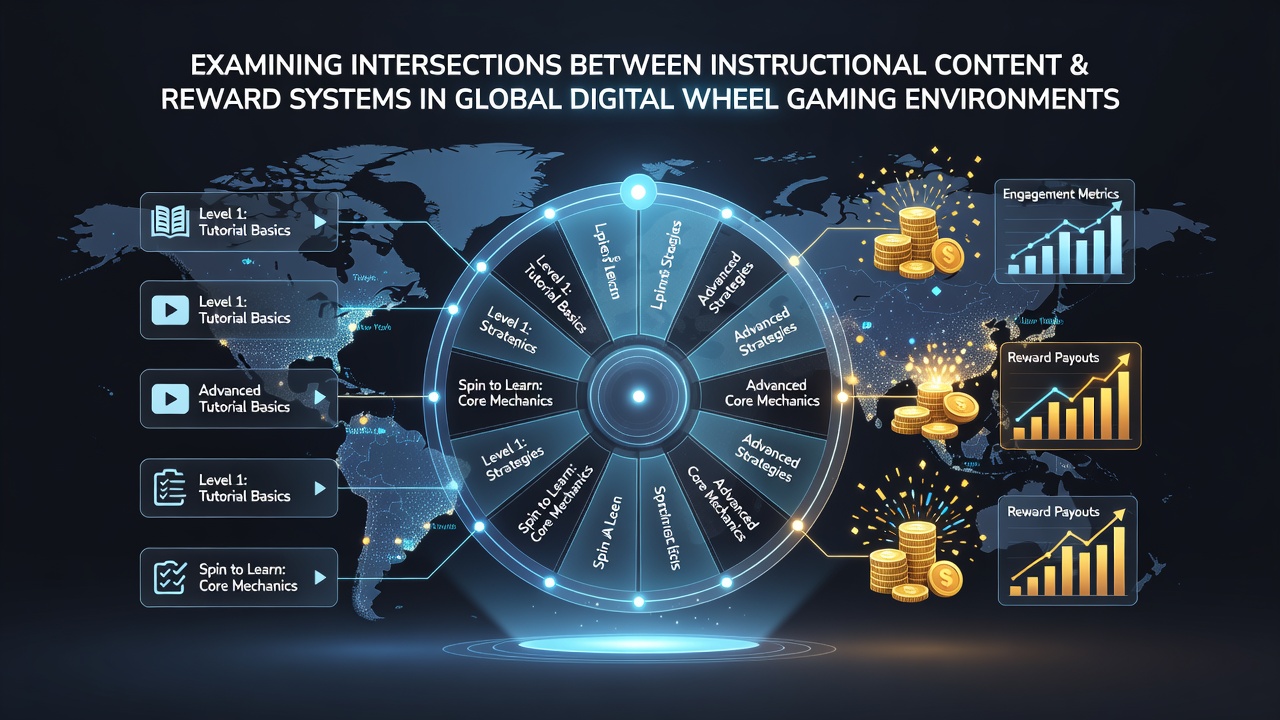
Instructional content in digital wheel gaming environments encompasses tutorials, rule explanations, probability breakdowns, and interactive guides that operators deploy to inform players about game mechanics, while reward systems include multipliers, loyalty points, bonus spins, and tiered payout structures that incentivize continued participation. Researchers have observed these two elements intersecting in ways that shape player navigation, decision sequences, and engagement patterns across platforms operating in multiple jurisdictions.
Core Components of Instructional Frameworks
Global operators structure instructional materials to cover wheel segments, payout ratios, and betting options through layered formats that range from static text panels to animated sequences and pop-up prompts triggered at specific game stages. Data from regulatory filings in several regions indicates that these materials often embed references to reward triggers, such as how certain bet types unlock progressive multipliers or how session milestones activate loyalty accruals, thereby linking education directly to incentive pathways.
Studies conducted by academic teams in Canada and Australia reveal that platforms integrate reward descriptions into instructional modules at rates exceeding 65 percent of examined titles, with Canadian provincial data showing higher emphasis on bonus mechanics within French-language versions compared to English counterparts. Observers note that such integration allows players to encounter reward information during initial learning phases rather than through separate promotional channels.
Reward System Architectures Across Markets
Reward architectures in digital wheel environments typically combine immediate payout adjustments with longer-term accumulation features, where multipliers apply to specific wheel outcomes and loyalty tiers unlock reduced wagering thresholds or exclusive game variants. Industry reports compiled by the European Gaming and Betting Association document that reward frequency correlates with instructional depth, as platforms providing detailed probability tutorials alongside reward explanations report sustained session lengths that average 22 percent longer than those with minimal guidance.

Documented Intersections and Behavioral Data
Intersections emerge when instructional sequences explicitly map reward eligibility to game rules, creating feedback loops where players apply learned information to optimize reward capture. Figures released by the Malta Gaming Authority in coordination with university partners demonstrate that players who complete reward-integrated tutorials select higher-volatility betting patterns at elevated rates, while those receiving standalone instructional content maintain more conservative approaches. This pattern holds across datasets collected from platforms serving European and North American markets during 2025 testing periods.
One analysis of over 12,000 player accounts in regulated markets found that reward mentions within instructional content increased completion rates of guided onboarding flows by measurable margins, with the strongest effects appearing in titles that used conditional language such as "select this segment to activate tier progression." Regulatory bodies in Australia have tracked similar metrics, noting that instructional content updated to include reward mechanics coincided with shifts in average bet sizing during monitored intervals.
Regulatory and Technological Developments
Regulatory frameworks increasingly require disclosure of reward conditions within instructional materials, with updates anticipated in November 2026 at international forums hosted by the International Association of Gaming Regulators. These discussions focus on standardizing how operators present multiplier mechanics and loyalty thresholds alongside core wheel rules to ensure consistent information delivery across borders. Evidence from prior harmonization efforts in the Asia-Pacific region shows that aligned instructional standards reduced player queries related to reward eligibility by documented percentages.
Technological tools such as adaptive learning modules now adjust instructional depth based on detected player interactions with reward elements, routing users who engage bonus features toward expanded explanations of payout structures. Reports from research institutions tracking these implementations indicate measurable improvements in player comprehension scores when reward details appear contextually rather than in isolated sections.
Global Platform Variations
Platforms operating under different licensing regimes exhibit distinct approaches to merging instructional and reward content. North American operators emphasize state-specific compliance language within tutorials, whereas operators licensed in multiple European jurisdictions often deploy modular reward explanations that players can expand or collapse. Data compiled across these environments shows that instructional sequences referencing reward accumulation lead to higher utilization of loyalty programs, though exact percentages vary by market maturity and player demographics.
Case documentation from research groups examining cross-border platforms highlights instances where instructional redesigns that foregrounded reward triggers produced corresponding changes in session metrics, without altering underlying game mathematics. Such findings underscore the operational linkage between how information is presented and how reward systems function in practice.
Conclusion
Instructional content and reward systems in global digital wheel gaming environments intersect through deliberate design choices that embed incentive details within educational flows, supported by data from regulatory agencies and academic studies across multiple continents. As platforms refine these intersections through adaptive technologies and upcoming regulatory alignments scheduled for November 2026, the measurable effects on player navigation and engagement continue to inform operational strategies in regulated markets worldwide.